If you manage a retail shop, office tower, or small warehouse in Orlando and you face a high-security lockout, this piece is written for your immediate needs. Over years of fieldwork I have learned which approaches work fast with minimal damage and which escalate costs, and I pass that practical judgment along here. Expect exact, usable advice about contacting an emergency locksmith, what to ask, and what to prepare before they arrive.
What "high-security" means for local businesses.
High-security locks are designed to resist common attacks and require special tools or authorization to service. Business systems tend to layer security, which protects assets but also lengthens the time and skill needed for safe entry. The extra steps are annoying in the moment but are meant to protect the business and maintain compliance with key control policies.
What information speeds an emergency locksmith response for an office lockout.
If you call a 24 hour locksmith, give clear location details, the building type, and whether people are trapped inside or if sensitive assets are at risk. Be prepared to present proof that you are authorized to enter the premises when the technician arrives. If it is a mechanical seize or an electronic glitch, the locksmith will prioritize non-destructive entry methods and on-site diagnostics.
What a skilled Orlando locksmith brings to a commercial job.
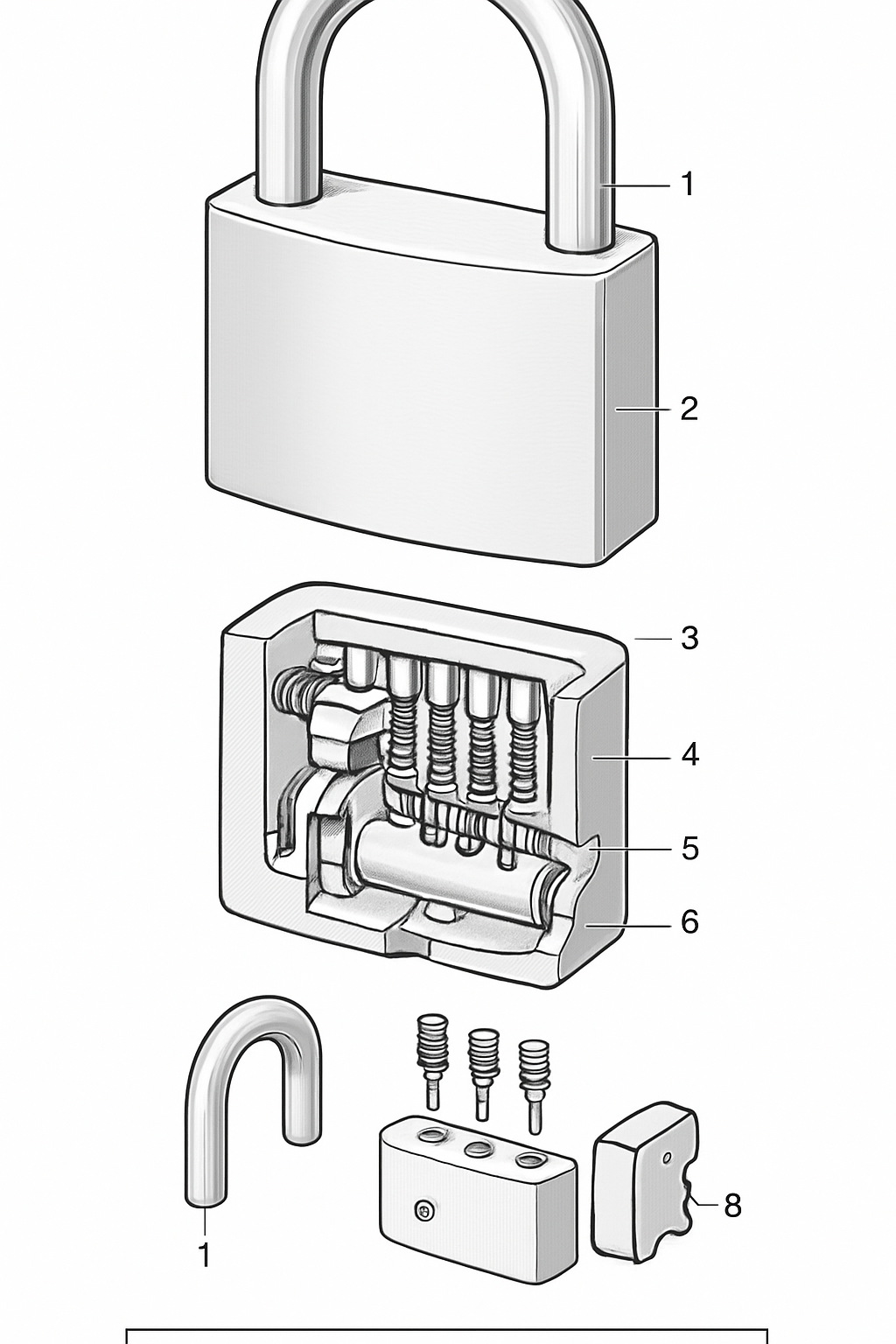
A qualified commercial locksmith carries both mechanical and electronic diagnostic tools, several cylinder types, and manufacturer code devices when permitted. When a job requires drilling the lock, experienced techs isolate the cylinder to avoid damaging the door frame or electronic components. For a stuck mechanical high-security cylinder a non-destructive entry can take 15 to 45 minutes in many cases, but with restricted keyways or encrypted controllers it can take several hours including parts procurement.
Which on-site choices minimize downtime for a business.
If a bypass method exists that keeps the original key control intact, that is usually preferred to maintain security policy and avoid long supply chains. When you accept a temporary bypass, document the change and schedule the permanent fix to avoid security drift. Full replacement becomes the right call when the lock is visibly damaged, the restricted key cannot be produced, or manufacturer policy requires a new serialized component for security reasons.
Estimates, typical costs, and timeframes for Orlando commercial lockouts.
Costs depend on travel, time of day, type of hardware, and whether parts are needed, so exact numbers vary widely. As a practical range, quick non-destructive entries can sometimes be under a few hundred dollars including travel, while replacement of a patented cylinder with rekeying and documentation can climb into the low thousands. Ask whether the quoted price includes securing the door after entry and whether a warranty applies to the work and any replacement parts.
Field notes and short case studies about commercial lockouts.
At one downtown boutique, staff used a restricted key that was left in a safe deposit box with no catalog record, and the locksmith spent an hour verifying identity before drilling and installing a temporary cylinder. Here the trade-off was between immediate business continuity and the administrative work to clean up credentials later. A third business tried a cheaper non-certified locksmith and ended up with an incompatible cylinder that fit but did not match the key control policy, forcing rework and added expense.
How to verify the technician and avoid fraud or damage.
If the technician hesitates to show documentation or requests full payment before work begins, that is a warning sign. Request a written receipt and model numbers for any parts replaced; this helps with audits or warranty actions later. When in doubt, pause and confirm authorization with a manager rather than letting someone proceed on an ambiguous verbal okay.
Post-entry steps every business should take the same day.
Document every change with dates, serial numbers, and the names of authorized personnel. Small investments in process changes often prevent larger incidents down the line. Finally, run a short staff training so employees understand how to avoid accidental lockouts and who to call first.
When to involve building management, IT, or law enforcement.
If the lockout follows a break-in, or if you find signs of forced entry, call law enforcement before you touch the lock or the scene. For multi-tenant buildings, notify property management so they can record the incident and coordinate common-area security changes. A clear chain of communication prevents duplicate work and reduces liability when contractors and tenants share infrastructure.
Design choices that minimize emergency disruption.
Standardize hardware across the facility where practical, and keep an up-to-date inventory of serial numbers and keyholders. Consider a managed key control program or a central credentialing service that tracks issuance, revocation, and audits. Finally, build relationships with one or two reputable 24 hour locksmith providers so you know who will respond and what standards they meet.
Final practical checklist and quick reminders for a business facing a high-security lockout.
While you wait, gather proof of authorization, badge numbers, lease or title documents, and photos of the https://rentry.co/wgoq3d8x lock if possible. Avoid taking a contractor's word for parts compatibility without documentation, and insist on a clear invoice that lists models and serial numbers. These last minutes of administrative work are cheap insurance against future incidents.
If you want, I can tailor a short emergency card you can print and keep at the front desk with the exact fields your staff should complete for any lockout, or I can draft the vendor questionnaire to vet a 24 hour locksmith Orlando provider.